CPG Sales Strategy: How Managers Coach Reps in the Field
A CPG sales strategy is won or lost at the shelf. How field sales managers turn store-visit photos and notes into weekly coaching that reps can use.

Field sales is selling in person: reps visit prospects and customers at their place of business instead of selling by phone, email or video. It suits complex, high-value or relationship-driven deals and is common in CPG, distribution, medical devices and B2B services. Field reps plan routes, run meetings and log visits from their phone, usually with a field sales app that syncs to the CRM.

In a world where digital sales tactics are increasingly popular, field sales continues to play a vital role in driving revenue and building meaningful relationships. Field sales, or "outside sales," involves in-person interactions between sales representatives and prospective clients. It’s a strategy that involves direct engagement, face-to-face meetings, and more personalized selling.
Despite the rise of digital communication, the personal touch of field sales is still a critical success factor for many businesses. This article provides an in-depth look at what field sales is, why it's important, the role of technology, the challenges sales teams face, and how you can maximize the effectiveness of your field sales strategy using field sales intelligence platforms.
Field sales refers to a sales strategy where sales representatives engage directly with potential customers in the field. This approach is distinct from inside sales, where interactions happen remotely—over the phone, email, or through online platforms. Field sales requires sales reps to meet prospects in person, often at their place of business or through other face-to-face channels like trade shows and networking events.
In today's fast-paced business world, where email marketing, social media, and online ads dominate, it might seem like field sales is becoming less relevant. However, field sales still remains one of the most effective ways to close high-value deals, especially for businesses with complex products or services. Here’s why field sales should not be overlooked:
While field sales has always been about building personal connections, technology has significantly enhanced the effectiveness of field sales teams. Sales reps no longer rely solely on pen and paper or word-of-mouth. Instead, a variety of tools and technologies have emerged to streamline field sales operations, making reps more efficient and better able to track their performance.
Traditional CRMs like HubSpot, Salesforce, and Zoho CRM are often not suited for the unique demands of field sales reps. These CRMs tend to be more geared toward inside sales teams and may be difficult to use for reps constantly on the move. This is where field sales intelligence platforms come into play, enabling sales reps to capture 6x more customer data than they could with traditional methods.
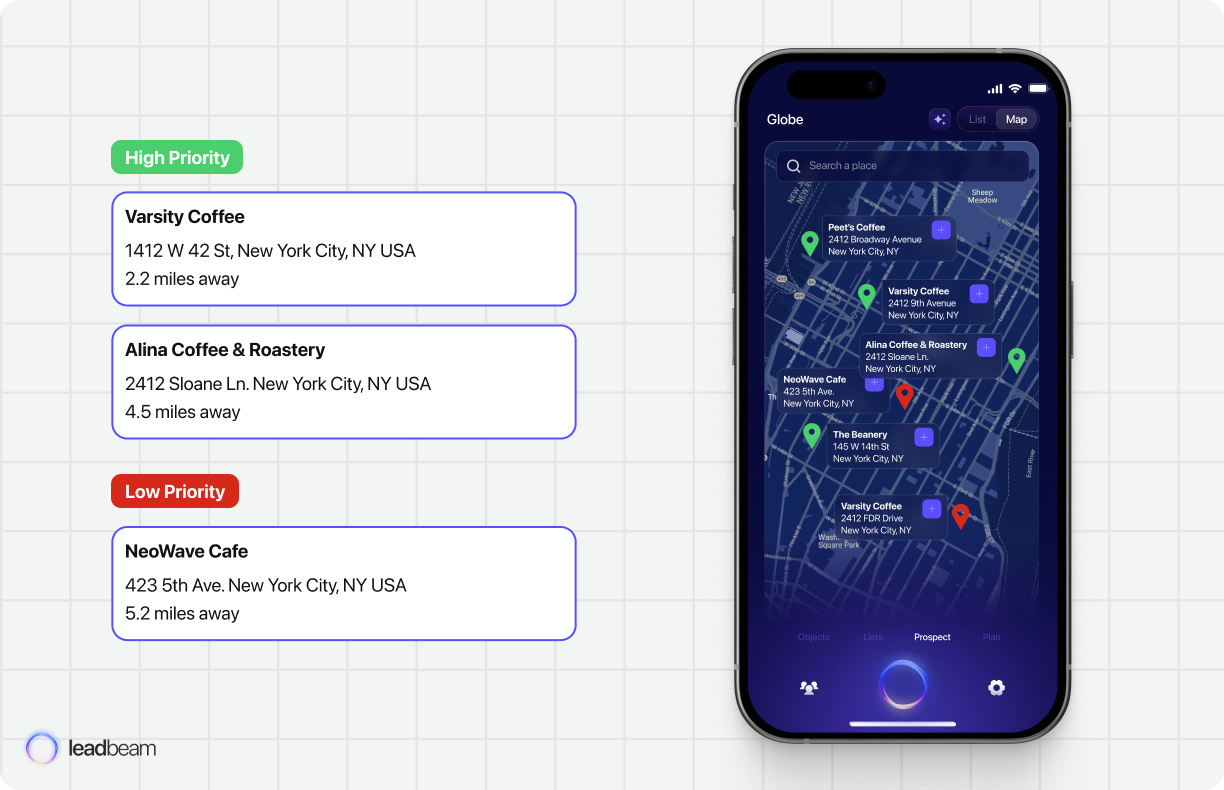
Field sales intelligence platforms act as an essential tool for field sales reps, allowing them to plan and capture every outside sales activity using AI, view past interactions, and build long-lasting customer relationships. For sales leaders, these platforms provide real-time insights, allowing them to monitor team performance, understand field activity, and make informed decisions based on data. By giving both reps and leaders access to valuable data, these platforms help align strategies, optimize sales processes, and drive higher productivity across the team.
Here’s how these platforms can transform field sales operations:
While field sales offers numerous advantages, it is not without its challenges. Sales reps face a variety of hurdles, ranging from time management issues to logistical concerns. Let’s take a closer look at some common challenges and ways to address them:
To thrive in field sales, it's essential to adopt best practices that will enhance your efficiency, effectiveness, and customer relationships. Here are some best practices to maximize your success in field sales:
Field sales remains a powerful sales strategy for closing high-value deals and building long-term customer relationships, especially when combined with the right technology and best practices. While in-person interactions remain crucial, leveraging the power of AI and data-driven tools enhances the effectiveness of field sales teams.
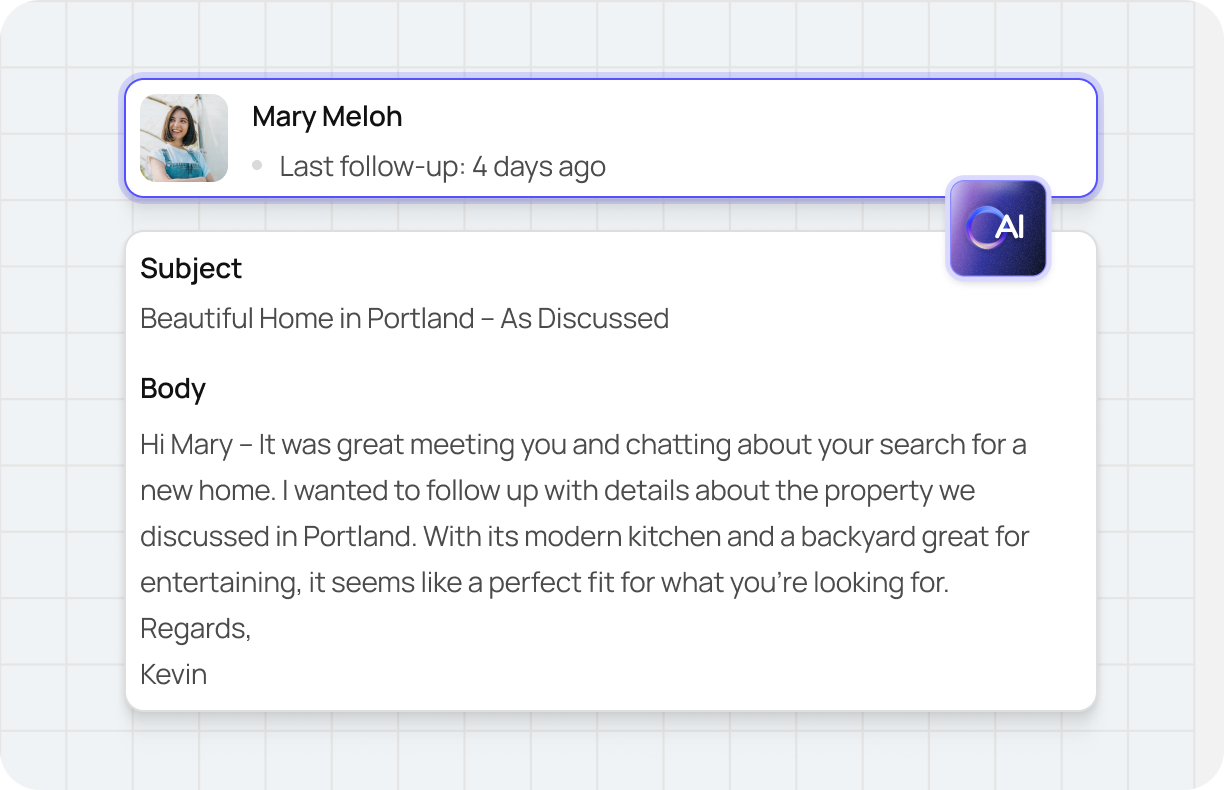
Leadbeam provides a comprehensive solution to optimize field sales efforts by offering advanced features like intelligent lead generation, real-time CRM updates, and automated, context-aware follow-ups. With Leadbeam, sales reps can seamlessly track leads, access real-time insights, and plan their day efficiently—all while spending more time on relationship-building and less on manual tasks.
By integrating these capabilities into your sales strategy, your team can close more deals, retain more customers, and drive higher revenue with improved efficiency.
Get started with Leadbeam today and elevate your field sales performance!
Field sales is a sales model where reps meet buyers face to face, at the buyer's business, a job site or a trade show. It differs from inside sales, which happens remotely by phone, email or video. Field sales is also called outside sales.
Field reps sell in person and spend part of each day driving between accounts. Inside reps sell remotely and can handle more conversations per day. Many companies combine both: inside reps cover smaller or distant accounts, and field reps cover dense territories and high-value deals. See our full breakdown of field sales vs inside sales.
A field sales rep plans a route of customer visits, prepares for each meeting, runs the meeting in person, takes orders or advances the deal, and logs notes and next steps in the CRM. Prospecting new accounts in the territory is usually part of the job too. Here is more on what a field sales rep does.
Field sales management is how managers plan territories, set visit targets, coach reps and track results for a team that works outside the office. Because managers rarely see reps in action, they rely on visit data, CRM activity and pipeline reports to know what is working.
A field sales CRM is a CRM built for reps who sell on the road: mobile-first, usable offline, with maps, route planning and visit logging by voice or photo. Some teams use a field-native CRM such as Leadbeam CRM. Others keep Salesforce or HubSpot and add a field app that syncs to it.
Field sales automation removes the manual work around visits: building the day's route, briefing the rep before each meeting, logging notes and updating CRM records afterwards, and scheduling follow-ups. It gives reps more time in front of customers and gives managers cleaner data.


Leadbeam Blog
Discover tips, strategies, and success stories to empower your field sales team and drive results.